WaterBotics: How Students Engineer Underwater Robots to Learn Real STEM Skills
A practical look at WaterBotics and how hands-on STEM programs teach students engineering design and coding through LEGO-based underwater robotics.
Most STEM programs talk about engineering. WaterBotics makes students actually do it. Learners are asked to design, build, program and test a robot that must work under water, where every design choice has visible consequences.
Build
Code
Test
Diagnose
Redesign
Explain
What the Program Actually Looks Like in Practice
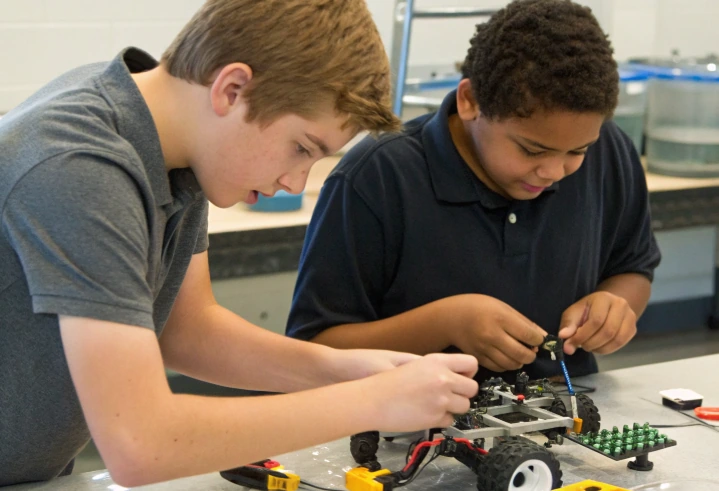
A WaterBotics session opens with a mission, not a lecture. Students get a kit, a task and a deadline. The question is not simply whether the robot can move. The question is whether the team can build a system that responds to constraints.
The build cycle follows a natural rhythm: prototype, test in water, identify what failed, document changes and improve. Students learn that engineering is an active loop rather than a one-time answer.
The Learning Loop
Why LEGO Components Matter for Rapid Iteration
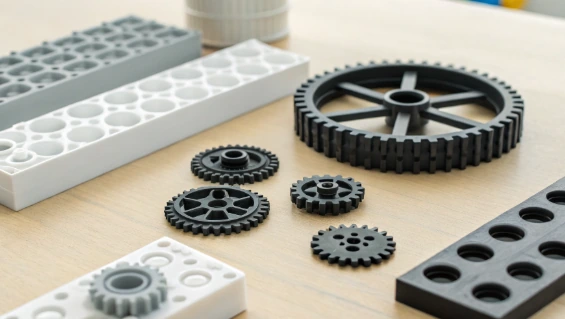
The choice of LEGO as the structural platform is a pedagogical decision, not a cost decision. Custom-machined parts would produce more elegant robots, but they would also slow the learning loop.
LEGO parts separate WaterBotics from competition-focused robotics programs where teams refine one machine over months. Here, students can build, test, take apart and rebuild quickly enough for mistakes to become useful information.
The Engineering Design Process as the Core Skill
Step-by-step activity alone does not make a curriculum engineering education. WaterBotics becomes engineering when students work through a full design process and treat problems as evidence.
Define
Students identify constraints and translate the mission into specific capabilities.
Test
The robot is tested in water where buoyancy, drag and balance reveal hidden problems.
Revise
Teams improve the design, retest and explain why the changes should work.
Real-World Applications That Make the Work Meaningful
WaterBotics missions are inspired by what underwater remotely operated vehicles do in industry. Students may simulate environmental monitoring, underwater archaeology, search-and-recovery operations or pipeline inspection.
For students considering STEM pathways, this exposure matters because it shows engineering as a tool for solving specific practical problems rather than as an isolated school subject.
What Educators Need Before Bringing WaterBotics In
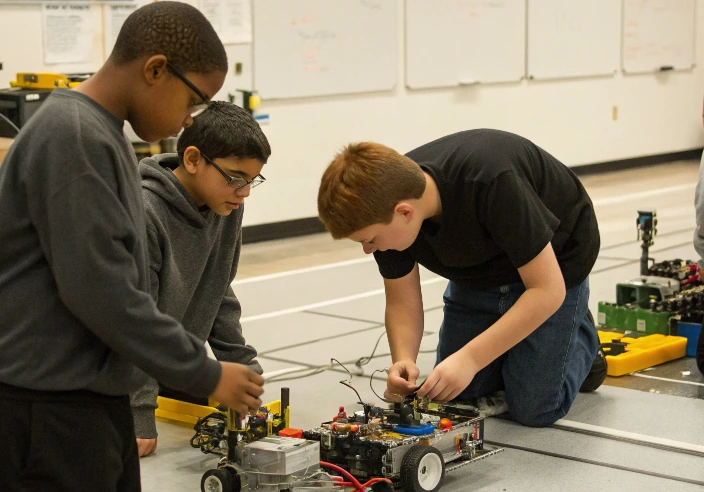
The program depends on access to water, build materials, programming tools and enough session time for redesign. It works best when teachers treat testing and failure as part of the learning, not as interruptions.
How to Decide Whether This Fits Your Program
The decision comes down to whether a school or program wants STEM learning that is hands-on, iterative and grounded in visible engineering constraints. WaterBotics is strongest when the goal is to teach process, not just produce a final robot.