
Why STEM Education Is a Generational Priority
A practical look at why STEM education matters now, the workforce gaps, the career barriers and what schools and families can do to help students participate.
The case for stronger science, technology, engineering and math education is no longer abstract. Climate adaptation, cybersecurity, healthcare delivery and energy infrastructure all depend on people who can solve technical problems.
Workforce
Access
Teachers
Diversity
Policy
Opportunity
The Workforce Gap Isn’t Just About Job Numbers
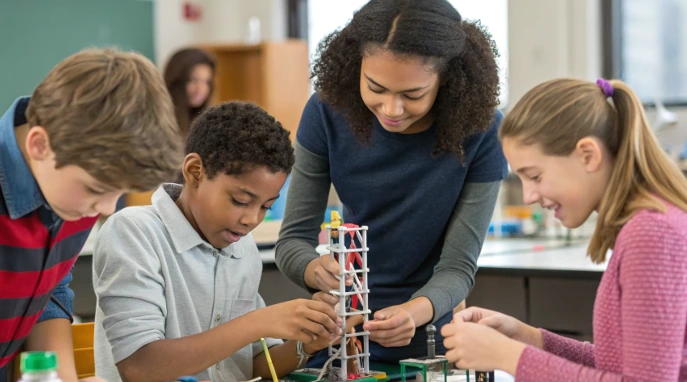
Discussions of STEM education often begin with workforce statistics, but the deeper issue is access to agency. A student who can understand data, test a system or explain a technical tradeoff is better prepared to participate in decisions that shape daily life.
The goal is not to turn every student into an engineer. The goal is to make scientific and technical thinking available to more people, earlier and more practically.
Why STEM Careers Are Worth Promoting Specifically
The argument for steering more students toward STEM is not that those careers are universally more valuable than others. It is that the world is increasingly shaped by systems students need to understand: energy, data, medicine, agriculture, infrastructure and automation.

Diversity in STEM as a Decision-Making Argument
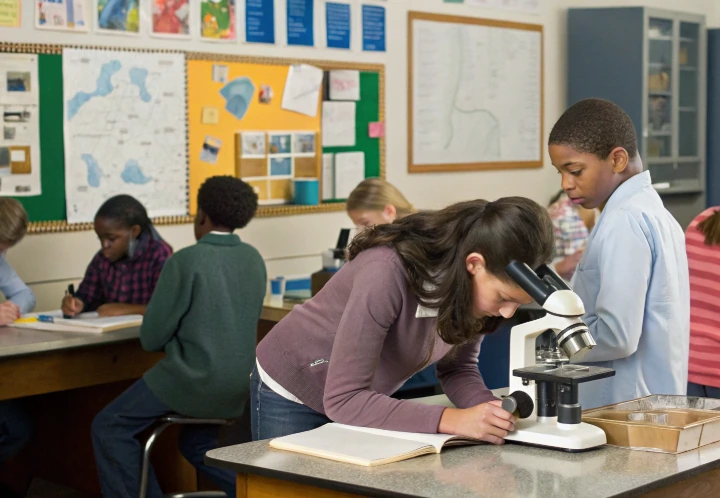
The diversity argument in STEM is sometimes framed purely in terms of fairness, but the more durable case is about decision quality. Engineering and scientific work touches choices about infrastructure, water, health, food and energy access.
When the people making those decisions come from narrow backgrounds, the questions asked and the solutions considered can become narrow too.
The Bridge Between Classroom and Real Work
The strongest STEM education is not just a set of advanced courses. It gives students repeated opportunities to work with real-world constraints, uncertainty and tradeoffs.
Authentic Problems
Projects should connect to problems students can recognize.
Multiple Attempts
Iteration teaches students how real technical work improves.
Team Discussion
Students need to explain choices, not only finish tasks.
Real Tools
Tools and materials should connect classroom work to practice.
What Schools, Parents and Policymakers Can Actually Do
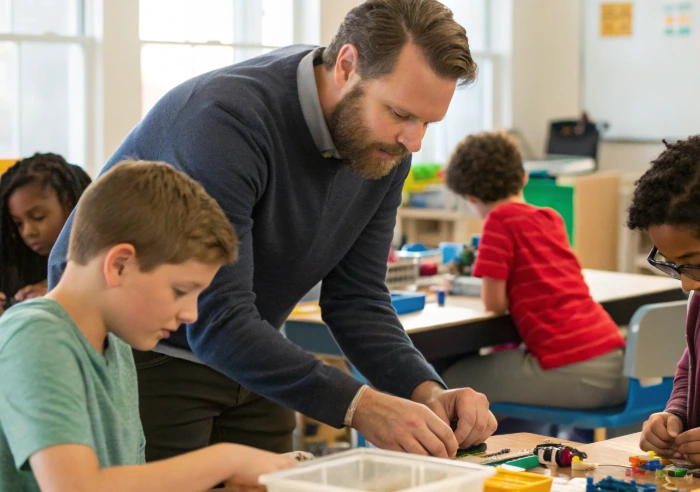
For schools, the most impactful change is not adding one isolated robotics activity. It is giving teachers time, tools and support to practice engineering design with students again and again.
Parents and policymakers can help by asking whether students are getting repeated chances to work through problems, not only exposure to inspirational STEM messages.
The Practical Question
Are students solving realistic problems, testing ideas and explaining decisions, or are they only hearing that STEM is important?
The Measurable Goal
The goal is a culture where technical learning feels accessible, useful and connected to the real choices students will face as adults.